Your First Winter in Spokane: What Newcomers Need to Know
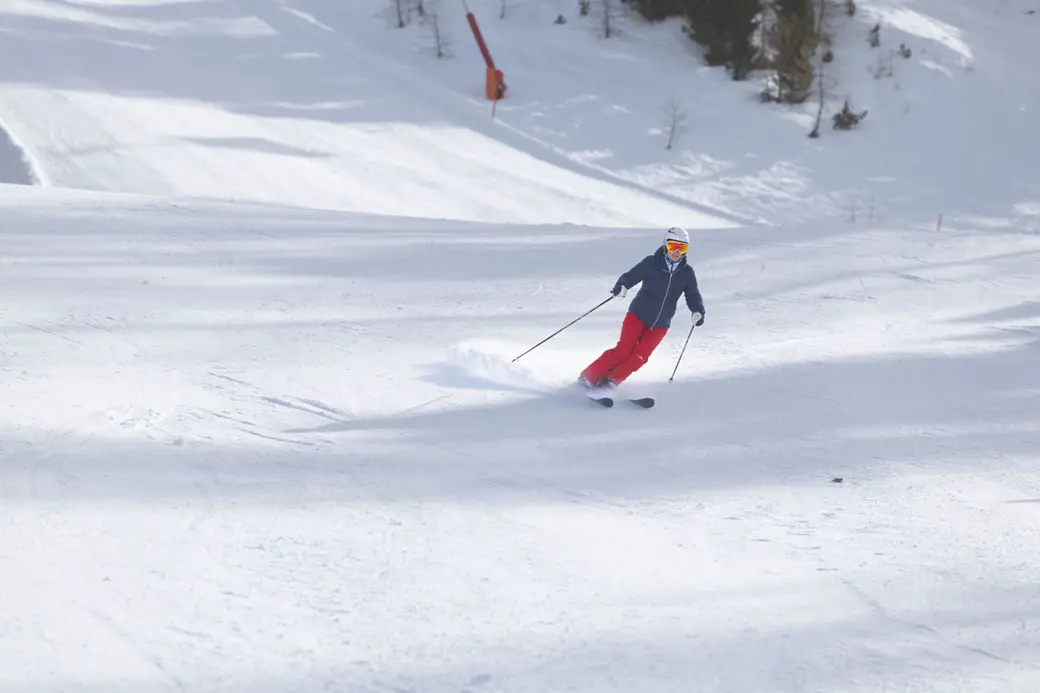
If you just moved here, your first Spokane winter is coming, and it's probably not as bad as people back home warned you. A little preparation makes the difference between dreading it and actually enjoying it. Here's what I tell every client who's new to the Inland Northwest.
What Winter Actually Looks Like Here
Spokane gets real winter, but not a brutal one. The city averages about 44 inches of snow a year, spread over roughly 34 snowfall days. It usually comes in a few storms that melt off in between, not a blanket that sits until April.
Temperatures. January highs average in the low 30s, with lows around 20°F. Expect a cold snap or two into the single digits most years.
Sunshine. This is the one that surprises people from the west side. Spokane averages around 171 sunny days a year compared to about 152 in Seattle. A crisp, bright 25-degree day often feels better than a 45-degree drizzle.
Crossing into Idaho? Coeur d'Alene sits closer to the mountains and averages around 70 inches of snow, nearly double Spokane. Liberty Lake and Post Falls land somewhere in between.
Get Your Car Ready First
Tires matter more than all-wheel drive. AWD helps you get moving, but good winter tires are what help you stop.
Studded tires. In Washington, studs are legal only from November 1 through March 31, with no exceptions for out-of-state drivers. Idaho opens its season earlier, on October 1. If you commute across the state line, go by the Washington dates.
Stud-free winter tires. These are different from all-season tires and are legal year-round in Washington. Many locals prefer them. Book your tire swap in October, because shops fill up fast after the first snow.
Keep a winter kit in the car: a scraper and snow brush, a blanket, a small shovel, gloves, a phone charger, and some water and snacks. If you'll drive Snoqualmie or Lookout Pass, carry chains. Studded tires alone don't satisfy a posted chain requirement.
Get Your Home Ready
Most winter headaches are cheap to prevent and expensive to fix. Knock these out in October.
Shoveling is your job. City of Spokane ordinance requires residents to keep their sidewalks clear. The city asks for a 36-inch path, ideally done by 9 a.m. after a snowfall. Buy a good shovel and ice melt before the first storm, when the shelves are still full. If you'd rather not shovel, book a snow removal service now.
Move the toys off the street. RVs, boats, and trailers can't sit on a city street for more than 24 hours, so plan winter storage ahead of time. Basketball hoops in the right-of-way need to go too.
Service your furnace. Have it inspected, and change the filter before you turn the heat on for the season.
Protect your pipes. Disconnect garden hoses and blow out your sprinkler system before the first hard freeze. Keep the heat on if you travel, and open cabinet doors under sinks on exterior walls during cold snaps.
Clean the gutters. Clogged gutters are the main cause of ice dams, where melting snow refreezes at the roof edge and backs up under the shingles.
Check your attic insulation. Good insulation keeps heating bills down and helps stop ice dams before they start.
Still House Hunting? What to Look For Before Winter
If you're buying this fall, look at every home through a winter lens. These are the things I point out to clients on showings.
Driveway slope and direction. A steep, north-facing driveway on the South Hill can be a real challenge in January. A flat or south-facing one melts off faster.
Garage space. A garage that actually fits your car means no scraping windshields at 7 a.m. It's one of the most underrated features in this market.
Heating system and age. Ask what kind of system the home has and how old it is. Ask for past utility bills too, so there are no surprises.
Roof and attic. Your inspector should check the roof's condition and look for past ice dam or water stains in the attic.
Well and septic. If you're looking at acreage outside city limits, make sure well lines and septic systems are protected from freezing.
Buying in the off-season has an upside, too. There's often less competition, and you get to see exactly how the home handles cold weather before you commit.
The Best Part: Actually Enjoying It
The people who love winter here are the ones who get outside. You have more options than you might expect.
Skiing and snowboarding. Mt. Spokane is close enough for an after-work run. 49 Degrees North, Silver Mountain, Lookout Pass, and Schweitzer are all easy day trips.
Skating downtown. The ice ribbon at Riverfront Park is a local favorite, especially with the lights on in the evening.
The holidays in Coeur d'Alene. The resort's holiday light show and lake cruises are a tradition for a lot of families on both sides of the border.
Snowshoeing and sledding. Trails around Mt. Spokane and local parks make winter weekends easy and cheap to fill.
Community. Church events, holiday markets, and neighborhood gatherings keep going all season. Winter is one of the best times to meet your new neighbors.
Ready to Talk?
Lynsey Cantlon lives in this region and has been through plenty of Spokane winters herself. She'll tell you which neighborhoods plow first, which driveways you'll regret in January, and which homes are built for this climate. Whether you're still searching or just got your keys, she's happy to help.
Reach out at lynseycantlon.com.
Categories
Recent Posts