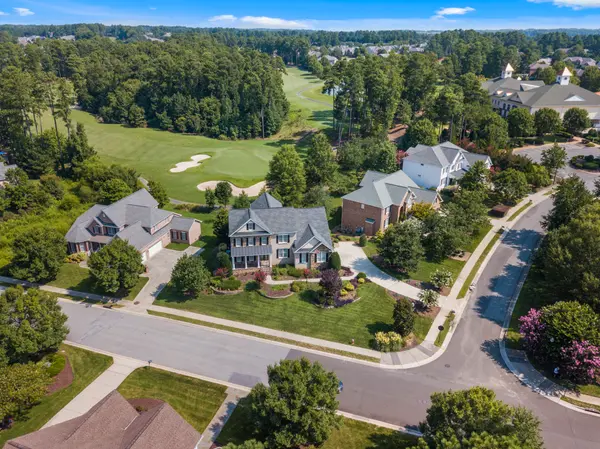
Sat for 6 Months. Sold in 30 Days: Why One Home Sat for Six Months and Then Sold in Thirty Days

One of the reviews I treasure most did not begin as a happy story. A family had their home on the market for six months and got almost nothing. No offers, barely any traffic, and a slow, grinding erosion of confidence that anyone who has ever waited on a sale will recognize immediately. Every week without movement made the next week harder. They began to wonder if something was wrong with their home, or with the market, or with them. When they finally switched to me, the home sold in about a month.
I share that story often, and not to boast, because the lesson inside it can save sellers real money and real heartache. The home that sat for six months and the home that sold in thirty days were the same house. Nothing about the structure changed. What changed was three things entirely within a seller's control, and they are the three things this entire article is about: presentation, pricing, and marketing.
Let me start with presentation, because it is where sellers have the most power and, too often, the least strategy. Here is the hard truth at the center of it. Buyers do not fall in love with square footage. They fall in love with a feeling, and that feeling is created on purpose or left to chance.
My years in interior design and hospitality taught me how to read a room the way a buyer will read it, almost instantly and mostly unconsciously. Within seconds of walking in, a buyer is forming an emotional verdict about whether they could live here, whether this place feels like home, whether they want to keep looking or keep scrolling. Everything in the room is either helping that verdict or hurting it. The light, the flow, the focal points, the sense of space, the small signals of care or neglect all add up to a feeling before the buyer has consciously thought a single word.
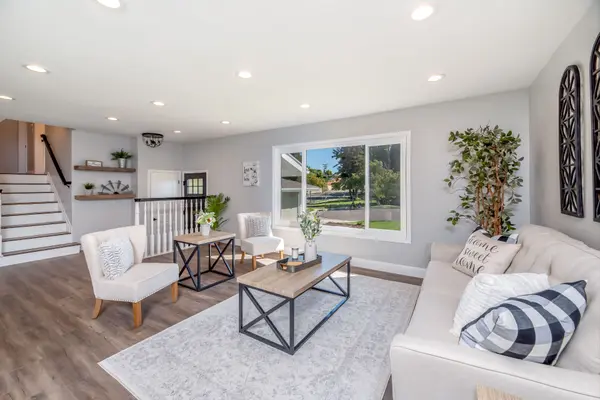
The good news is that this feeling can be shaped, and shaping it rarely requires the expensive renovations sellers fear. Small, strategic changes routinely outperform big-ticket ones. Decluttering until surfaces breathe. Maximizing every bit of natural light. Editing a space so a buyer can imagine their life in it rather than feeling like a guest in someone else's. A thoughtful coat of paint in a current neutral. The goal is never to spend the most money. The goal is to make a buyer stop, feel something, and start imagining a future in your home.
Pricing is the place where a seller's heart and the market's reality most often crash into each other, and navigating that collision well is one of the most valuable things a great agent does. Every seller wants the highest possible number, and I want that for you too. That is precisely why I will never let a home be priced on hope.
Here is the cruel mechanic that overpricing sets in motion. A home priced above what the market will bear does not simply wait patiently for the right buyer to come along and pay more. It sits. And as it sits, it grows stale. The most motivated buyers, the ones watching for new listings, see it arrive, decide it is overpriced, and move on. Weeks pass. The listing accumulates days on market, which savvy buyers and their agents read as a warning sign. Eventually, almost inevitably, the price gets cut, and the home often sells for less than it would have if it had been priced correctly from the very first day. The seller loses both time and money chasing a number that was never realistic.
I price homes with current data and a clear strategy, so your home attracts real attention while it is still fresh and competitive, in the window when buyer interest is highest. Pricing right from the start is not pricing low. It is pricing smart, and smart pricing is one of the most reliable ways to actually achieve a strong final number.
Then comes marketing, and this is where that six-month home genuinely transformed. We did not simply relist it and hope for a different result. We gave it triple the marketing it had received before, with professional presentation and a deliberate plan to put it directly in front of the buyers most likely to want it, across the channels where those buyers actually spend their attention.
This matters more than many sellers realize, because the majority of buyers now meet a home online long before they ever set foot inside. The way a home is photographed and presented digitally is, in a very real sense, the way it is sold. A home that photographs beautifully and is marketed strategically generates more showings, and more showings create the competition among buyers that drives strong offers. Marketing is not an afterthought layered on top of a listing. It is the engine that determines how many of the right people ever discover your home at all.
Just as importantly, throughout that turnaround we kept the sellers genuinely informed at every step. A confident, well-informed seller makes better decisions than an anxious one operating in the dark, and that steadiness becomes part of the strategy itself.
There is a deeper layer to all of this that I never lose sight of. Selling a home is rarely only a financial event. It is almost always tangled up with something larger in a person's life: a move, a new job, a marriage beginning or ending, a loss, a growing family, a new chapter that the sale is meant to make possible. The house is the practical matter. The life around it is the real one.
Over the years I have helped people sell through divorce, through the settling of an estate, through relocations across the country, and through the happy chaos of a family that has simply outgrown its walls. In each case, the strategy of presentation, pricing, and marketing adapts to the human story, because it should. A sale that has to happen quickly for a job relocation calls for different choices than a sale where the timing is flexible. A sale wrapped in grief calls for a gentler pace and a steadier hand. The fundamentals stay the same, but the way they are applied is always personal.
What I want every seller to take from that six-month-then-thirty-day story is a kind of liberating truth. A home that is struggling to sell usually does not need luck, and it almost never needs a miracle. It needs a plan. It needs presentation that makes buyers feel something, pricing grounded in honesty rather than hope, and marketing that actually reaches the right people, all carried out by someone who keeps you steady and informed through the process.
When those pieces come together, the difference is not subtle. It is the difference between six months of silence and an offer in thirty days. It is the difference between watching your home grow stale and watching buyers compete for it. And it is entirely achievable, because every one of those levers is within reach when the strategy is right.
Maybe you are reading this with a home that has been on the market longer than you hoped, feeling that same erosion of confidence the family in my story felt. If so, I want you to know that a stalled listing is very often a fixable problem, not a verdict on your home. A fresh, honest look at presentation, pricing, and marketing can change the entire trajectory.
Or maybe you are just beginning to think about selling and you want to do it right the first time, without ever experiencing those long quiet weeks. That is even better, because the very best time to build a winning strategy is before the home ever goes live. Either way, I would be glad to help you build the plan that gets your home sold, and to keep you confident and informed every step of the way.
There is one more truth about selling that I want every homeowner to understand, because it shapes everything else, and it is that the first two weeks on the market matter more than any others. When a home launches, it enjoys a burst of attention that it will never have again in quite the same way. The buyers who have been watching and waiting all see it at once. Their agents flag it. The algorithms that drive the listing sites give it a moment in the sun. That initial window is when your most motivated buyers are paying attention, and it is precisely why the home has to be fully ready, beautifully presented, and correctly priced before it ever goes live, not adjusted into shape afterward. A home that launches strong rides that wave of attention straight toward strong offers. A home that launches unprepared squanders its best moment and spends the following months trying to recover it.
This is why I spend so much energy on the work that happens before the sign ever goes in the yard. By the time your home hits the market, the presentation is done, the price is right, the photography is gorgeous, and the marketing plan is ready to fire on day one. We are not hoping to figure it out as we go. We are launching with everything in place to capture that first, irreplaceable wave of interest. Sellers are sometimes surprised by how much of the work is front-loaded, but that front-loading is exactly what separates a quick, strong sale from a long, draining one.
And throughout it all, I keep you genuinely informed and steady, because the emotional experience of selling matters too. Selling a home can be nerve-wracking, full of second-guessing and what-ifs. A seller who understands the strategy, who knows what is happening and why, and who trusts the plan makes calmer, better decisions and has a far better experience along the way. My job is not only to sell your home well, but to walk you through it in a way that leaves you feeling supported rather than anxious. When the strategy is sound and the communication is constant, selling stops being something that happens to you and becomes something you are confidently steering toward a result you will be glad about.
A few questions sellers ask me. How do I sell my home faster in Spokane or Coeur d'Alene? Focus on presentation, correct pricing, and strong marketing rather than waiting for the right buyer to stumble in. Should I make repairs or updates before listing? Often a few strategic, high-impact changes matter far more than a long renovation list, and I help you choose them. What is the biggest mistake sellers make? Overpricing at the start, which costs more in time and money than pricing it right from day one. My home has been listed for months with no offers, what now? A stalled listing is usually fixable with a fresh look at presentation, pricing, and marketing, which is exactly the turnaround I specialize in.
If your home is sitting, or you simply want to make sure it never does, let's build the plan together. Message me or book a call at lynseycantlon.com.
Categories
Recent Posts