New Construction vs. Existing Homes in the Spokane–Coeur d'Alene Corridor: An Honest Comparison
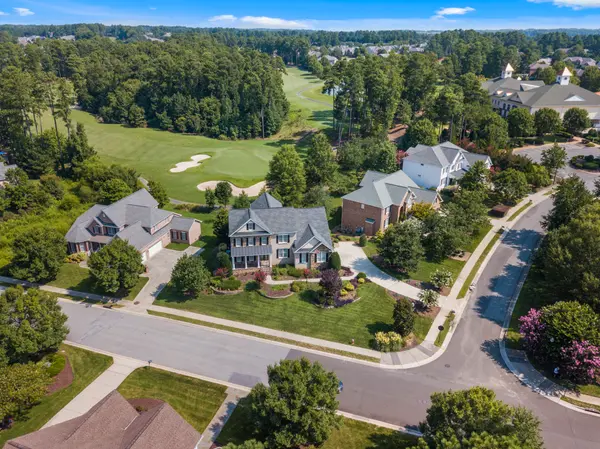
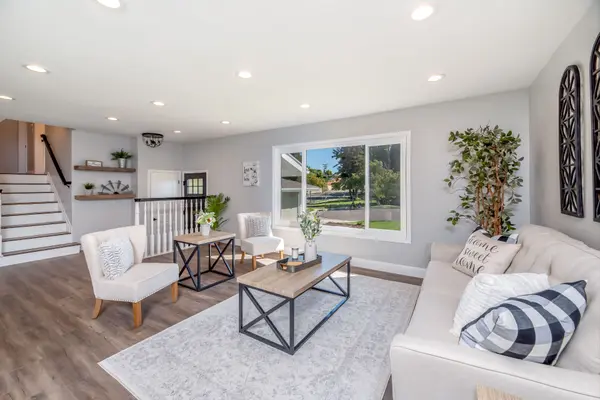
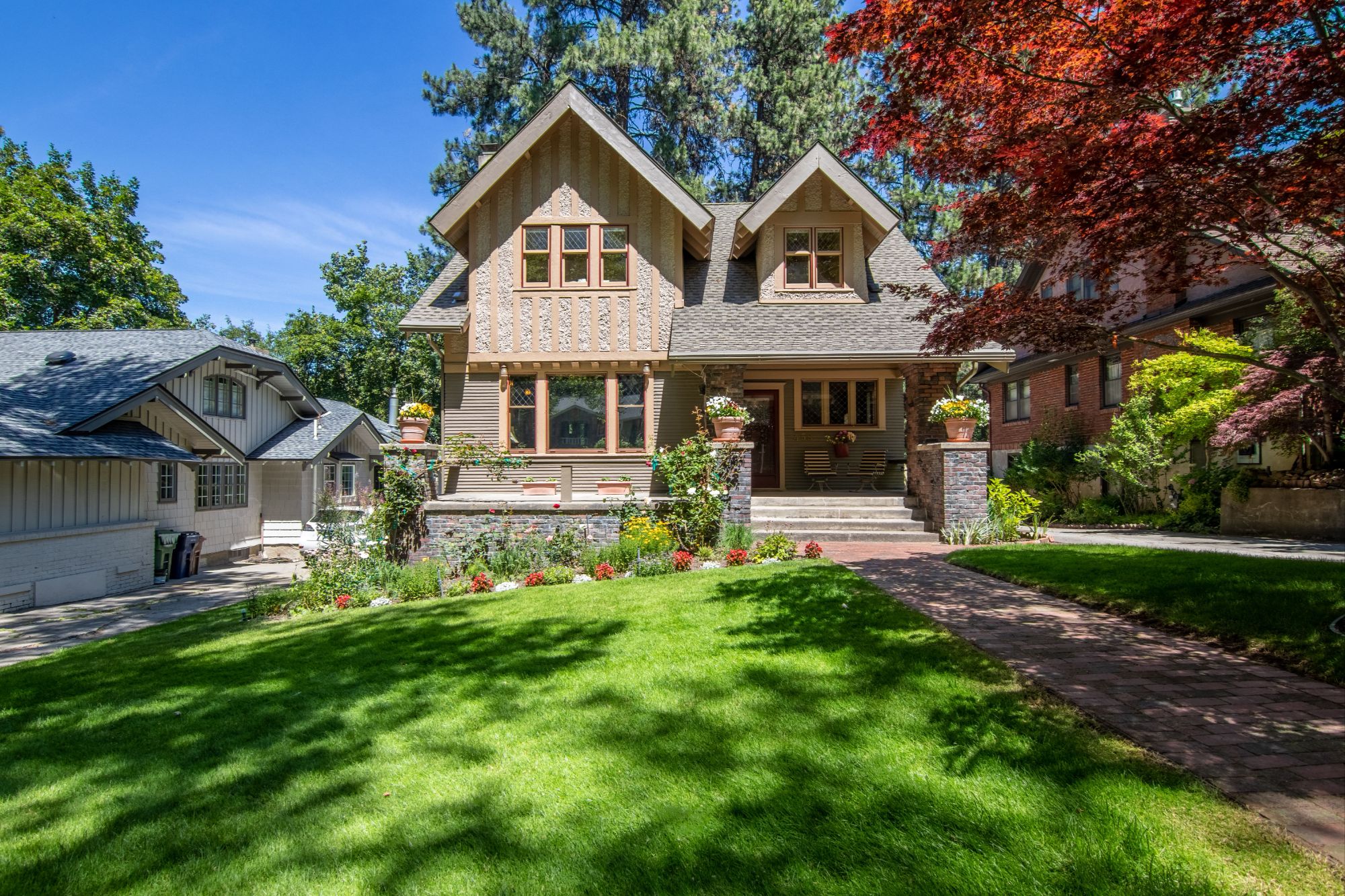 If you've spent any time house hunting in Spokane or North Idaho, you've probably found yourself standing in two very different kinds of homes on the same Saturday — a brand-new build with that fresh-paint smell and clean lines, and an older home on a tree-lined South Hill street with character oozing out of every corner. Both can feel like "the one." So how do you actually decide?
I sell both. I don't have a horse in this race — my job is to help you figure out which one fits your life. Here's the honest breakdown.
The price-per-square-foot reality
This is usually the first question people ask, and the answer surprises a lot of buyers: new construction often isn't the budget-friendly option you'd expect.
Building a custom or semi-custom home in the Spokane area typically runs $200 to $350 per square foot, depending on finish level and design complexity, with luxury builds pushing past that. For a 2,500-square-foot home, that lands somewhere between $500,000 and $875,000 — and that's before land.
Compare that to the resale market, where the average existing home in Spokane is running closer to $200 per square foot for the home itself, with median home prices around $420,000 to $454,000 depending on the source and time of year.
The takeaway: existing homes generally win on pure price-per-square-foot, especially in established neighborhoods. New construction can still pencil out if you're buying a production-built home in a larger development, where the builder benefits from standardized plans and bulk material purchasing — but fully custom builds rarely come in cheaper than buying something already standing.
What you're actually paying for with new construction
New construction isn't just a higher price tag for the sake of it. Here's what that premium buys you:
- A builder warranty — typically covering structural issues, systems, and workmanship for a set number of years, so you're not the one footing the bill for a furnace that dies in year two
- Modern systems and code compliance — updated electrical, plumbing, insulation, and energy efficiency standards that an older home may never have
- Customization — especially with a custom build, you choose the layout, finishes, and flow rather than working around someone else's decisions
- Fewer surprises in year one — no inherited deferred maintenance, no mystery behind the walls
The tradeoff is timeline and process. A typical custom home in the Spokane area takes 10 to 14 months from design through move-in, and that's if nothing goes sideways. Spokane's building season runs heaviest from April through October — cold-weather construction is possible, but it adds cost and slows things down. If you need to be in a home in three months, new construction is rarely the answer.
There's also a local quirk worth knowing: the basalt bedrock under much of the Spokane area means excavation can hit rock at unpredictable depths. When that happens, it requires hydraulic rock hammers or controlled blasting, which adds real cost and time. A geotechnical boring before you commit to a lot — usually $1,500 to $3,000 — can save you from an ugly surprise mid-build.
If new construction is the direction you're leaning, I've written a deeper guide on choosing a builder and protecting yourself in the process: Building Your Legacy: New Construction in Northern Idaho. It covers my top recommended builders in the area and why having your own agent — at no cost to you — matters from the very first model home visit.
What you're actually paying for with an existing home
Buying established isn't just "settling" for someone else's choices — it comes with its own real advantages:
- Mature landscaping — trees, established lawns, and curb appeal that no amount of money can fast-forward
- Character and craftsmanship — original hardwood, built-ins, architectural details common in South Hill or North Side homes that newer builds rarely replicate
- Established neighborhoods — sidewalks, mature trees, walkability, and a sense of place that takes decades to develop
- Speed — you can often close in 30 to 45 days instead of waiting over a year
- No HOA in many older neighborhoods — newer developments frequently come with HOA dues and rules that surprise first-time buyers
The tradeoff is the unknown. Older homes can hide outdated wiring, aging plumbing, roof issues, or a furnace on its last legs. A thorough inspection isn't optional here — it's how you protect yourself from inheriting someone else's deferred maintenance.
Resale value: does it actually differ?
This is where buyers expect a clear winner and don't always get one. New construction in a desirable, well-planned community can hold value well, especially in growth corridors. But established neighborhoods with proven track records — South Hill, Kendall Yards, parts of North Spokane — tend to have more predictable appreciation simply because there's more sales history to look at. With a brand-new development, you're betting on how the neighborhood matures, who your future neighbors will be, and whether the builder's reputation holds up.
Neither is automatically the better investment. It depends more on location and long-term area growth than on whether the home is new or old.
So which one is right for you?
A quick way to think about it:
New construction tends to fit you if you want full control over the layout and finishes, you don't mind a longer timeline, you want the peace of mind of a warranty, and you're comfortable with the higher per-square-foot cost.
An existing home tends to fit you if you want to move faster, you're drawn to character and established neighborhoods, you want more home for your money on paper, and you're comfortable doing your homework on inspections and potential repairs.
Plenty of buyers land somewhere in between — buying an existing home with the bones to renovate, or choosing a production-built new home in a development rather than a fully custom build. There's no wrong answer here, just the right answer for your timeline, budget, and how much you want to be involved in decisions versus walking into something move-in ready.
If you're trying to figure out which path makes sense for your situation, I'm happy to walk through both options with you — including specific listings and lots currently available in the Spokane and North Idaho area.
Sources: Construction cost figures reflect 2026 estimates compiled from regional builders and cost guides for the Spokane and Inland Northwest market. Resale market figures reflect 2026 Spokane-area median pricing data. Actual costs vary by lot, builder, and project scope — always get a project-specific quote before budgeting.
Categories
Recent Posts