Buying a Lake House Isn't Like Buying a Regular House — Here's What Changes
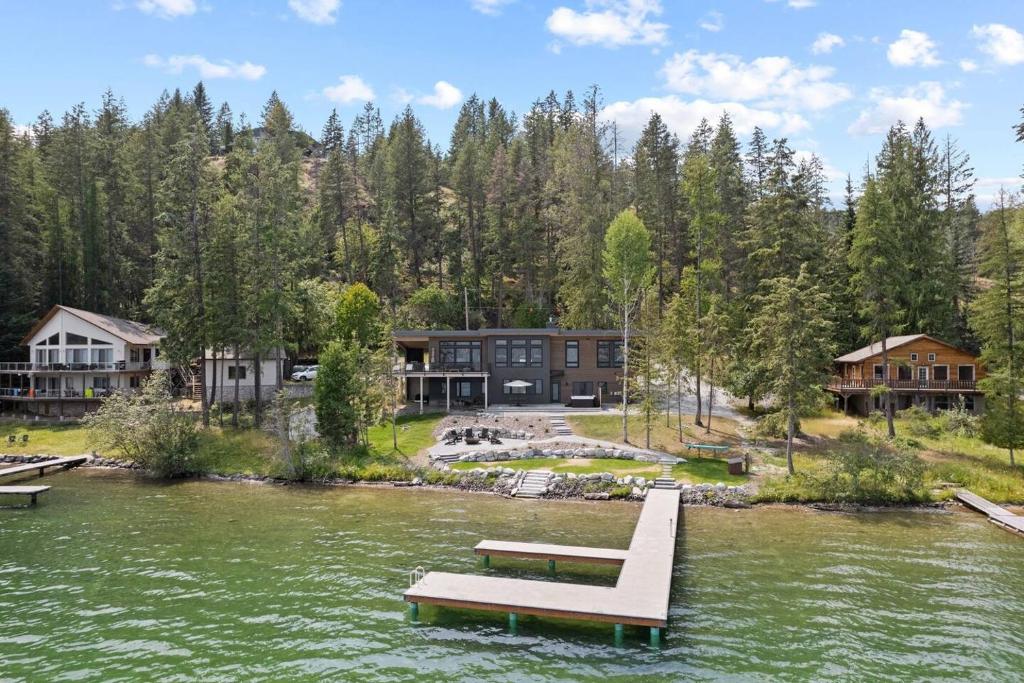
There's a moment almost every lake buyer has. You've found the house. The view is everything you imagined. You're ready to write the offer the same way you would on any other home.
That's usually when I gently slow things down.
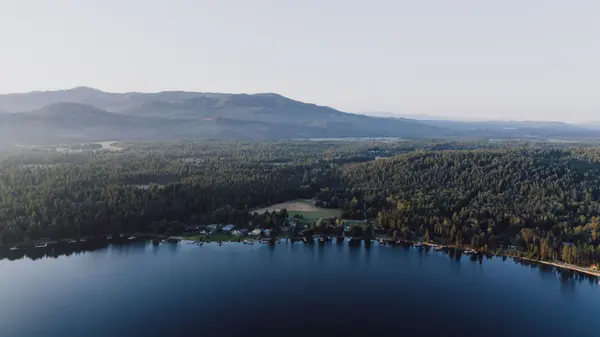
Buying waterfront property on Lake Coeur d'Alene, Priest Lake, or Lake Pend Oreille isn't a different version of buying a regular house — it's a different process altogether. The view doesn't change, but almost everything underneath it does. Here's what actually shifts once water enters the picture.
The Inspection Needs a Second Set of Eyes
A standard home inspector checks the roof, the furnace, the foundation. What they typically don't evaluate are the things that matter most on a waterfront property — the dock, the seawall, the shoreline itself. Those usually require a separate, specialized inspection.
On a lake property, I always recommend budgeting for both: your standard inspector for the house, and someone who specifically knows docks, bulkheads, and shoreline structures for everything below the high water mark. Skipping the second one is one of the most common (and expensive) mistakes I see buyers make.
Insurance Isn't a Formality — It's a Step You Take Before You Offer
On a regular home, insurance is something you sort out during escrow. On a lake home, I want my buyers calling an insurance agent before we write the offer.
Waterfront homes often need additional coverage and higher liability limits that a standard inland policy doesn't include, and flood damage is almost never covered by a typical homeowners policy. You'll likely need that as a separate line item. I've watched buyers fall in love with a property, only to discover during escrow that insuring it the way they assumed would cost two or three times what they budgeted. Get the quote early. It can change your offer — or your mind.
"Owning the Lake" Isn't as Simple as It Sounds
This catches more buyers off guard than anything else. On a regular lot, your property line is your property line. On a lake, it's more complicated. Depending on the property, you may own right up to the water's edge — or your ownership may stop there, with the state owning the land beneath the water itself.
That distinction affects what you can build, whether you can put in a dock, and what your neighbors are legally entitled to do near your shoreline. It's not something you want to learn after closing. It's something we research together, line by line, before you're under contract.
Financing Moves at a Different Pace
Lenders ask more questions about waterfront properties, and for good reason. Comparable sales are harder to find — there simply aren't as many lake homes to compare against — which can make appraisals trickier. Flood zone documentation is often required upfront rather than added later. None of this means financing is harder. It just means it moves differently, and a lender who's done this before makes all the difference.
The Lifestyle Math Is Real
Here's the part that's harder to put a number on. A regular home is a place you live. A lake home is a place you live and a commitment to upkeep that's more constant than people expect — docks need maintenance, shorelines shift, water levels change with the season. None of that is a reason not to buy. It's just a reason to walk in with open eyes instead of only the sunset view.
I tell my clients the same thing every time: the lake life is worth it. I've seen what it does for families — slower mornings, kids who grow up swimming instead of scrolling, a porch that actually gets used. But it's worth it because you went in prepared, not in spite of skipping the homework.
Ready to Start the Search the Right Way?
If you're considering a lake property in Coeur d'Alene, Priest Lake, Pend Oreille, or anywhere in between, let's talk before you fall in love with the first listing photo. I'll walk you through exactly what to check, who to call, and what questions to ask — so the dream stays the dream all the way through closing.
Reach out at lynseycantlon.com.
Frequently Asked Questions
Is buying a lake house more complicated than buying a regular house? In some ways, yes. The core process is the same, but waterfront properties add extra layers — specialized inspections, additional insurance requirements, and questions about water rights and property boundaries that don't come up with a typical inland home.
Do I need flood insurance for a lake house in Idaho or Washington? Often, yes, even if the property isn't in a designated flood zone. Standard homeowners insurance typically excludes flood damage, so most lake buyers add a separate flood policy for real protection.
Who owns the water in front of a lakefront property? It depends on the specific property and local regulations. In some cases ownership extends to the water's edge, with the lakebed itself owned by the state. This affects dock rights and shoreline use, so it's worth confirming before you make an offer.
Why do lake homes take longer to finance than regular homes? Lenders often require more documentation for waterfront properties, including flood zone information, and appraisals can take longer since there are fewer comparable sales to pull from.
Categories
Recent Posts